
 4 minutes
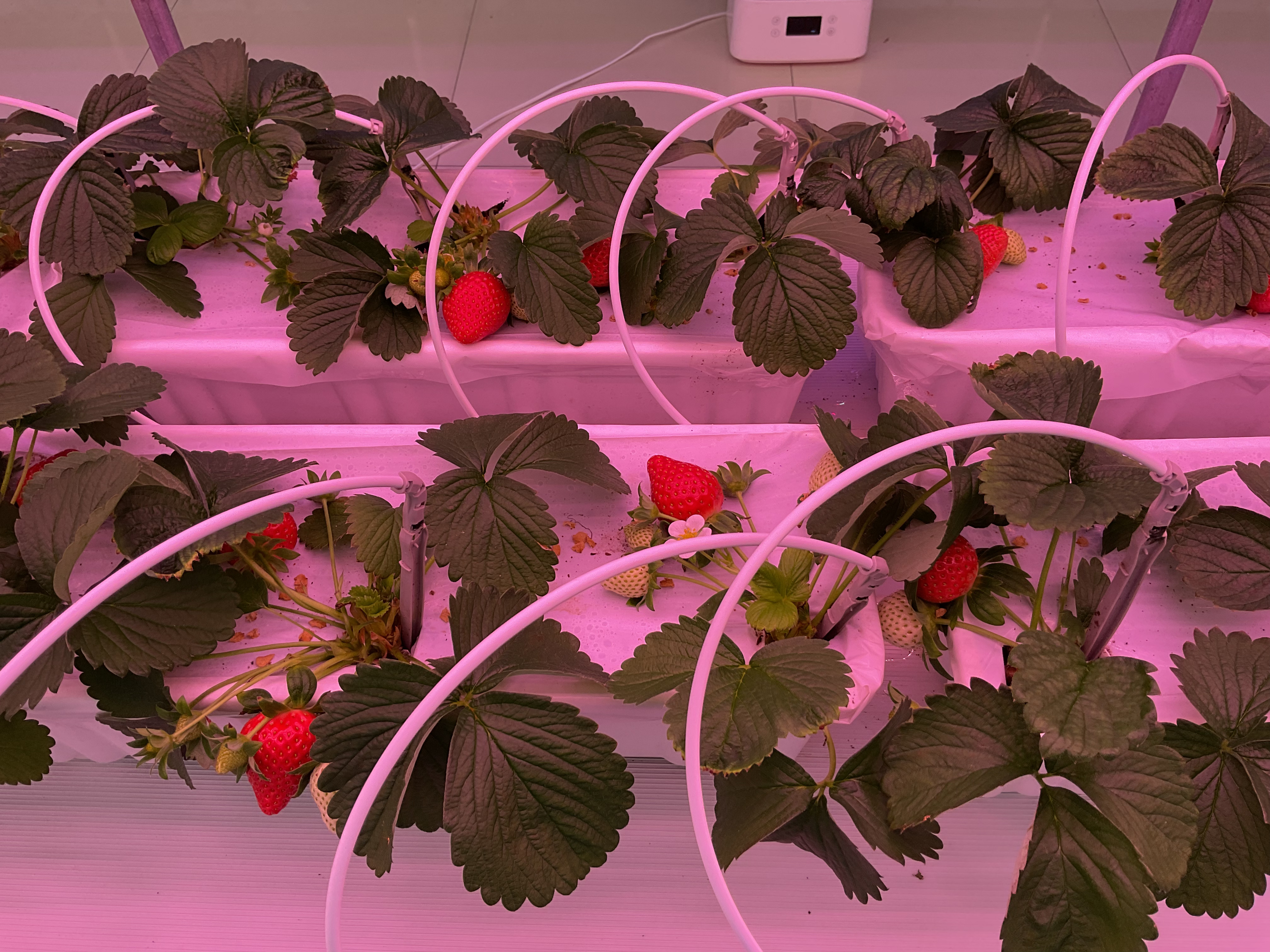
Strawberries are one of the most popular fruits among Indonesian. In various regions, strawberries are produced not only as raw materials for industry but also as icons for fruit picking tourism. Several highlands in Java, Sumatra, and Nusa Tenggara are centers for strawberry cultivation. According to data from the Central Statistics Agency (2024), West Java Province is the largest strawberry producer, reaching 280,892 quintals. Strawberry cultivation areas in West Java are spread across several highlands such as Ciwidey, Lembang, Sukabumi, and Cianjur.
Beyond their distinctive red color and aroma, strawberries require specific growing conditions. Strawberries grow optimally at an altitude of 1000-1500 meters above sea level with an air temperature of 23-28 degrees Celsius during the day and 14-18 degrees Celsius at night. The humidity required for strawberries is 80-90%. Under these conditions, strawberries can perform photosynthesis optimally, making them synonymous with cool, foggy environments. Strawberries can also grow in hot conditions, but these conditions produce small, sour fruit. Therefore, cultivating strawberries in a suitable microclimate will result in sweet-tasting fruit with a large size.

Indoor Farming System for Strawberry
Increasingly modern agricultural innovations has led to the creation of indoor farming technology. This system is fully controlled by human and makes it easier for people to grow crops in small areas with unpredictable weather. Strawberry plants in indoor farming can use substrate hydroponics and drip irrigation systems to facilitate cultivation. Substrate hydroponics allows roots to grow cleaner, healthier, and more optimal because nutrients are absorbed directly by the roots. On the other hand, drip irrigation makes it easier to deliver water and nutrients directly to the plant roots.
Various systems used in indoor farming create an artificial ecosystem that replaces the role of nature. In indoor farming systems, the sunlight needed for photosynthesis can be facilitated by a grow light. The duration and light spectrum of this lamp can be adjusted to suit the plant's needs. Strawberries also require cool temperatures and stable humidity throughout the day to grow like they would in their natural habitat. These needs can be met by using air conditioning for cool temperatures and a humidifier to create a fine mist to maintain humidity. The need for CO2 gas for photosynthesis can be assisted by injecting CO2 gas from a cylinder.

Advantages of Indoor Farming System
Indoor farming technology attract the attention of young farmers, mainly to increase the productivity of high value crops such as premium strawberries. By implementing indoor farming technology, farmers do not need to worry about climate change, which often limits crop production. The stable microclimate conditions in this modern system optimize the life cycle and photosynthesis process of plants, resulting in larger and sweeter strawberries with stable and sustainable yields that are not affected by climate change.
Another advantage of indoor farming systems is that the resulting plants and fruit are healthier because the sterile conditions in the plant factory suppress the presence of pests and plant diseases. Farmers can also avoid the use of pesticides that can leave residues on the fruit consumed. Furthermore, the combination of various modern systems applied allows the plant factory to run automatically and be monitored remotely via smartphone, thereby reducing labor costs. Farmers only act as operators and can focus more on the physical care of the plants. The use of drip irrigation in the substrate hydroponic system also allows for more measured and efficient water use as it can be adjusted to the needs of the plants.

Challenges of Indoor Farming System
The development of innovation and technology is closely linked to the challenges faced by users. Farmers are required to think critically and analytically in combining several modern systems that support plant factory productivity. Throughout the indoor farming process, farmers need to pay attention to the maintenance schedule of the systems used to minimize errors. In addition, it takes a long time to get the right microclimate combination for the plant needs.
Despite the challenges mentioned, the right collaboration of indoor farming systems can produce healthy and high-quality products, thereby increasing market share. In terms of efficiency, consistency, and adaptability, indoor farming systems could become a popular agricultural option in the future.
Sumber:
Badan Pusat Statistika. 2025. Produksi Tanaman Sayuran dan Buah-buahan Semusim Menurut Provinsi dan Jenis Tanaman 2024. <https://www.bps.go.id/id/statistics-table/3/ZUhFd1JtZzJWVVpqWTJsV05XTllhVmhRSzFoNFFUMDkjMw==/produksi-tanaman-sayuran-dan-buah-buahan-semusim-menurut-provinsi-dan-jenis-tanaman----2022.html?year=2024>
Khammayom, N., N. Maruyama, and C. Chaichana. 2022. The effect of climatic parameters on strawberry production in a small salk-in greenhouse. Agriengineering 4:104-121.
 Share
Share


